Flavors or spices are the identity and nostalgia of every land. While travellers and traders may have influenced food cultures in ancient times, each country has its own distinct taste.
No matter where a person goes, the taste of their homeland remains their favorite. At least once a year, they long to return to their country to experience its unique smells and Flavors.
I believe that food is one of the biggest challenges for those who migrate to another country for work or other reasons. Yes, the taste of one’s native land is always the dearest and the best.
Kozhikode is famous for its sweet delights, especially halwa. The colorful halwas displayed in sweet shops attract people instantly. Made in different flavors and textures, Kozhikode halwa has become one of the city’s most recognized food specialties. Many travelers even carry it home as a special gift for family and friends.
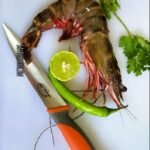
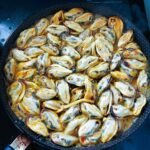
Seafood dishes are another important part of Kozhikode cuisine. Being a coastal city, fresh fish is commonly used in daily cooking. Fish curry, fish fry, and prawn dishes prepared with local spices have a distinct taste that reflects the true flavor of Malabar cooking.
What makes Kozhikode food truly special is the feeling attached to it. The dishes are not only about taste but also about tradition, hospitality, and togetherness. Whether it is a grand celebration or a simple evening gathering, food always brings people closer in Kozhikode. That is why the dishes of this beautiful city continue to remain close to my heart
Savoury001.in
Savoury001.in
Image Credit ; Google
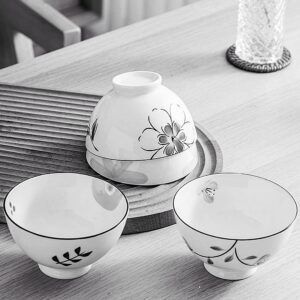
The ceramic bowl known as ‘Copa’, traditionally called pinjanam in Kerala, was once a common household utensil in many homes across Kozhikode and the Malabar region. Before modern stainless steel and plastic containers became popular, these sturdy bowls were widely used for serving curries, snacks, rice, and desserts. Valued for their durability and simple design, Copa bowls evoke memories of a bygone era and remain a cherished symbol of Kerala’s rich culinary and cultural heritage.
Image Credit ; Google
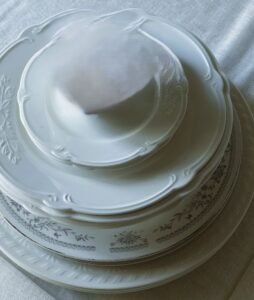
Model of ceramic plate, which was called ‘bassi’ in the past
Bassi, saan, copa, and so on. I think these words are derived from foreign traders of those days.